
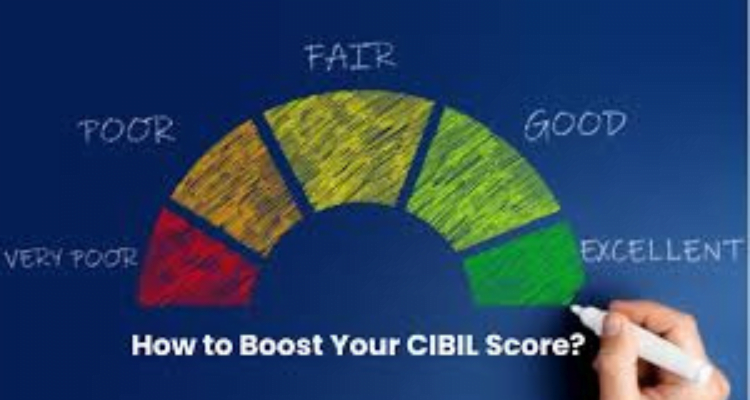
A CIBIL score of 750 or above can significantly enhance your chances of securing a loan with a favorable interest rate. As a borrower, a high CIBIL score is crucial for loan approval and negotiating lower interest rates. Lenders view high scores favorably, indicating a lower risk of default and missed EMIs.
Benefits of a High CIBIL Score:
- Increased loan eligibility
- Lower interest rates
- Better loan terms
- Improved creditworthiness
CIBIL Score Range and Importance
| CIBIL Score Range | Typical Lender View | What You Can Expect |
|---|---|---|
| 800–900 | Excellent | Best pricing offers, faster approvals, better limits |
| 750–799 | Strong | Competitive rates, good approval odds |
| 700–749 | Fair/Good | Approval possible, rate may be slightly higher |
| 650–699 | Average/Borderline | Higher rate, lower amount, more scrutiny |
| Below 650 | High risk | Rejection risk, or only limited/secured options |
Why CIBIL Score Matters for Loans
- Lenders prioritize borrowers with high credit scores
- High scores indicate lower risk and better loan repayment capabilities
- Credit score influences interest rates and loan terms
Types of Personal Loans Available
- Personal Loans
- Unsecured Loans
- Top-up Loan
- Personal Loan for Government Employees
- Personal Loan for Salaried People
- Personal Loan for Teachers
- Personal Loan for Higher Education
- Festival Loan
- Home Renovation Loan
- Personal Loan for Women
- Consumer Durable Loan
- Medical Emergency Loan
- Travel Loan
- Wedding Loan
Optimize Your CIBIL Score for Better Loan Options
Aim for a CIBIL score close to 900 to unlock better loan opportunities. Check your credit report, maintain a good credit history, and make timely payments to improve your CIBIL score. A high credit score can help you secure loans with favorable interest rates and terms.
The Importance of Credit Score on Personal Loan
Personal loans are a popular choice for borrowers seeking to meet short-term and long-term financial needs. With no collateral required, these unsecured loans offer flexibility and convenience. A good credit score, typically 700 or higher, is crucial for loan approval and competitive interest rates. A score above 750 indicates lower credit risk, faster approval, and better loan terms.
Benefits of Personal Loans:
- Competitive interest rates
- No collateral required
- Flexible loan amounts based on income and repayment ability
- Improved credit history with timely repayments
Why Personal Loans are Better than Credit Card Debt:
- Lower interest rates compared to credit cards
- No collateral required
- Flexible repayment terms
Boost Your Credit Score:
- Length of credit history matters
- Diversified loan mix is beneficial
- Timely repayments improve credit history
Can You Get a Personal Loan With a Low CIBIL Score?
Yes, but expect trade-offs. If your score is low, lenders may:
- Offer higher interest rates
- Approve smaller amounts
- Ask for co-applicant, stronger income proof, or additional documentation
Smarter alternatives if score is low
Avoid “guaranteed approval” ads—these often lead to costly or risky products
Improve score for 2–3 months before applying (if time allows)
Consider secured options (like loan against FD or loan against property, if suitable)
Essential Steps to Enhance Your CIBIL Score
- Punctual Payments: Timely repayment of credit card bills and EMIs is crucial for a healthy CIBIL score. Avoid delays to prevent negative impacts.
- Optimal Credit Utilization: Maintain a credit utilization ratio of 15-30% to demonstrate responsible credit behavior. Exceeding this limit can harm your CIBIL score.
- Error-Free Reports: Regularly review your CIBIL report to identify and correct errors. This ensures accurate credit scoring and improves your CIBIL score.
- Credit Limit Enhancement: Request a credit limit increase from your bank to lower your credit utilization ratio. This strategic move can boost your CIBIL score.
- Preserve Old Credit Accounts: Maintain a long credit history by keeping old credit cards with a good credit history active. Closing them can negatively impact your CIBIL score.
What Else Affects Your Personal Loan Rate (Even With a Good CIBIL Score)
A 750+ score helps—but lenders still check other factors that impact pricing:
1) Income and monthly obligations (FOIR/DTI)
If existing EMIs are high, lenders may increase your rate or reduce eligibility.
2) Job stability and employer profile
Stable employment, consistent salary credits, and reputed employer categories often improve offers.
3) Loan amount and tenure
Higher tenure may increase total interest outgo. Higher amounts may need stronger repayment comfort.
4) Existing relationship with the bank
If your salary account or prior loans are with the same lender, offers may improve.
5) Credit report quality (not just score)
Even with a good score, issues like recent missed payments, overdue status, settlements, or high utilization can reduce offers.
FAQs
1) What CIBIL score is good for a personal loan?
A score of 750+ is commonly considered strong and may help get better offers. Approvals can still happen below that depending on the lender and income profile.
2) Can I get a personal loan with 650 CIBIL score?
Possible, but you may face higher rates, lower eligibility, or rejection depending on lender policy and repayment capacity.
3) Does checking my CIBIL score reduce it?
Checking your own score through official methods is generally treated as a soft check and should not reduce your score.
4) Why am I getting a high interest rate even with a good score?
Because lenders also consider your income, existing EMIs, employer profile, loan amount, tenure, and recent enquiries.
5) How fast can I improve my CIBIL score?
If there are no major negatives, you can see improvement in a few months by paying on time, reducing utilization, and avoiding multiple enquiries.
6) What hurts CIBIL score the most?
Missed payments, persistent high utilization, defaults, settlements, and frequent credit applications.
7) Is 900 CIBIL score necessary?
No. A very high score is great, but most borrowers focus on maintaining a stable 750+ with clean repayment history.
8) Should I close old credit cards to improve my score?
Usually no—keeping older healthy accounts can help credit history length and utilization, as long as fees and control are manageable.